Project Stewardship
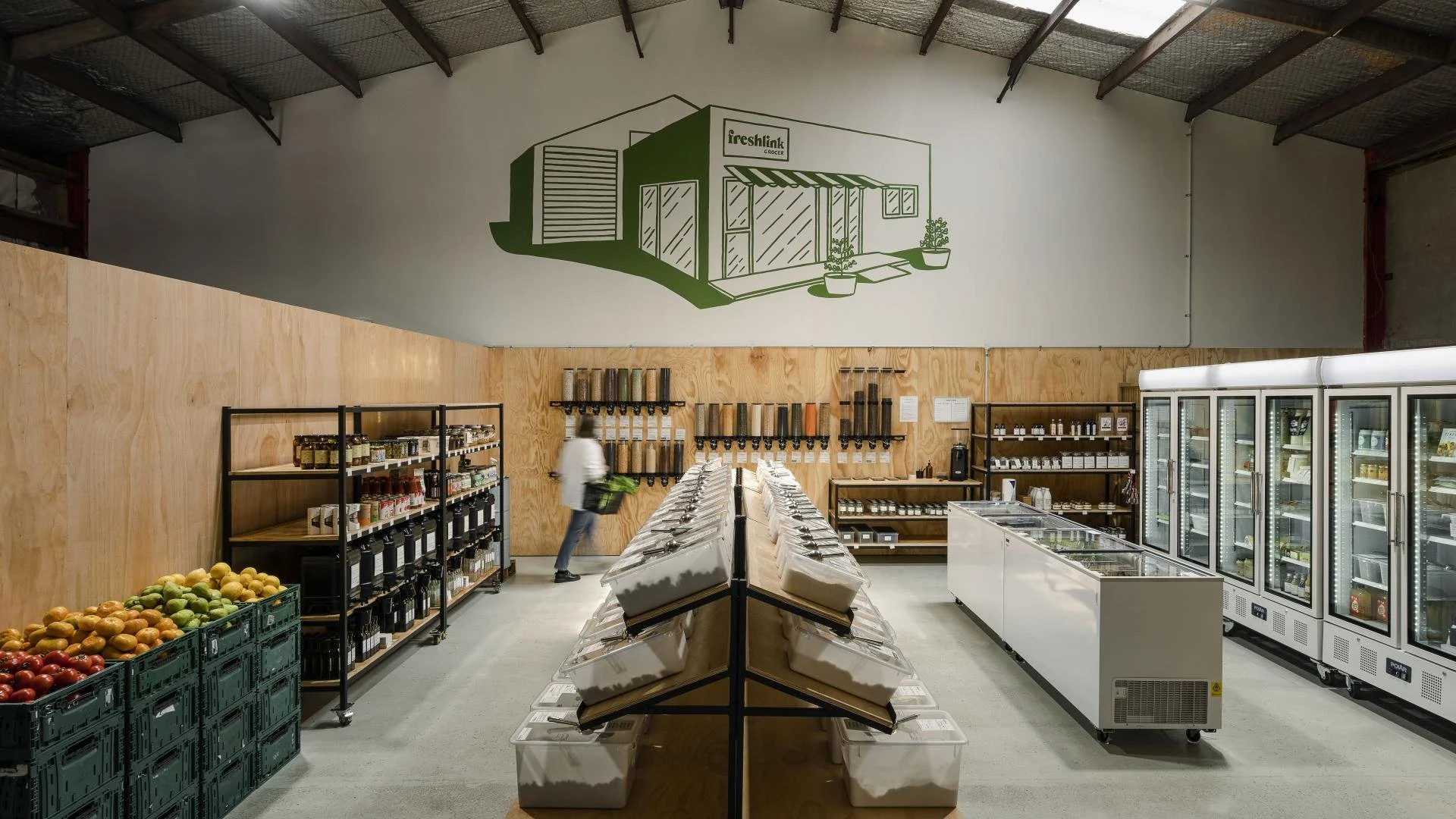
Freshlink Grocer Expansion
Regional Grocery Distribution and Access
Project Stewardship
Climatalist
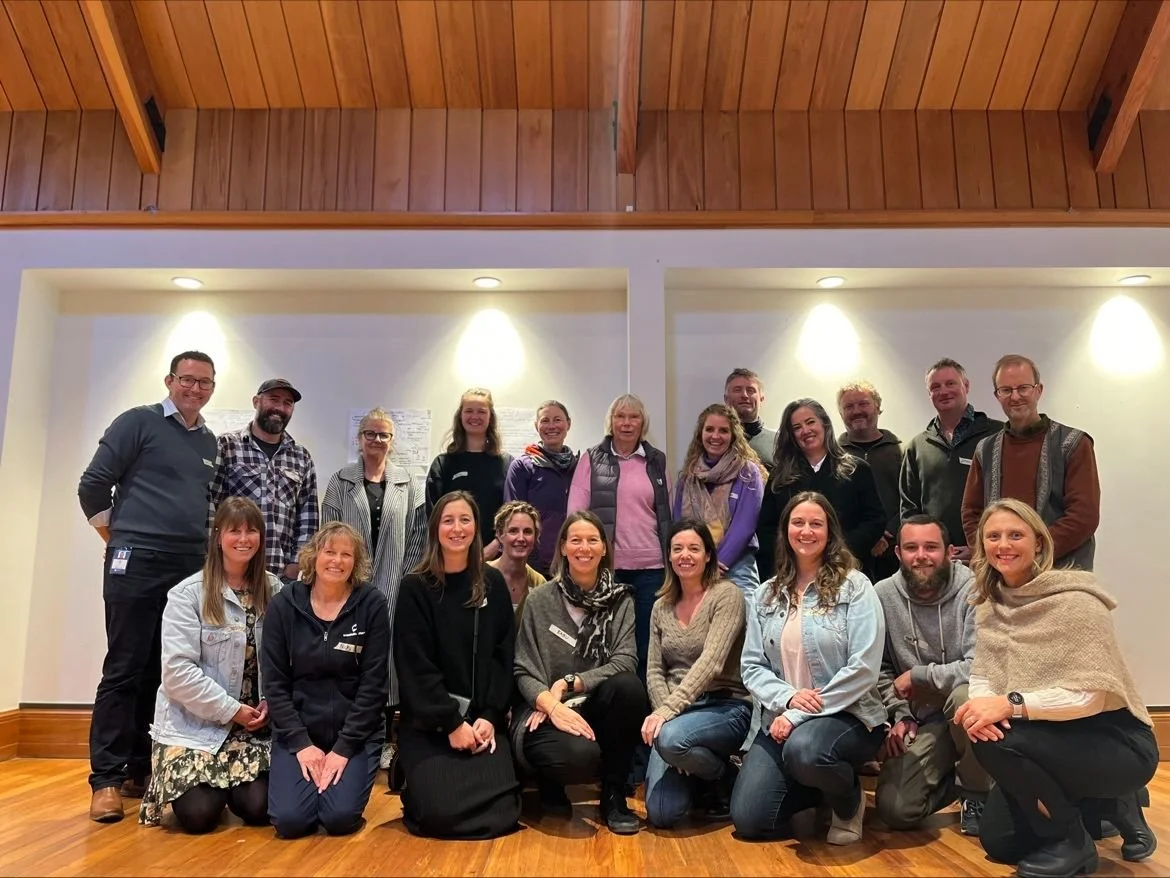
Agri-Food System Cross-Sector Sprint Design, Facilitation & Research
-
A partnership with Climatilist, an AI-powered knowledge platform designed for organizations navigating complex challenges in climate, food systems, and sustainable land use. Climatilist provides the infrastructure to capture, structure, and make accessible the knowledge that organizations produce. Consulting Tiera contributes the research methodology, facilitation expertise, and sector relationships that generate that knowledge through structured, cross-sector engagement. Together, the partnership transforms cross-sector conversation into a compounding, independently produced intelligence resource.
-
Sprint Design and Delivery Partner for Future of Food engagements in New Zealand. This encompasses leading the research and intellectual architecture of each engagement, designing and facilitating cross-sector working sessions, and producing the published outputs that follow. Each Sprint is delivered in collaboration with sector-relevant partners and industry professionals, ensuring that every engagement is both credible and well-grounded in the specific context it serves.
-
Designing and delivering structured, research-led working sessions (known as Sprints) that convene diverse stakeholders from across a sector to engage substantively with complex, shared challenges. Each Sprint is preceded by original research and a series of one-on-one listening conversations, followed by a facilitated cross-sector session and the publication of outputs that capture the insights produced honestly and with editorial rigor. The methodology is designed to ensure that what participants generate together endures beyond the session itself.
-
A cumulative, independently produced body of cross-sector knowledge that informs decision-making across organizations, planning bodies, policy environments, and practitioner communities. Each Sprint builds on the last, deepening the evidence base and strengthening the relationships that make subsequent conversations more productive. Over time, the methodology is designed to travel, replicable across sectors, regions, and contexts.
Strategic Guidance & Advisory
Future Whenua
Identity and Direction for a Values-led Organization
-
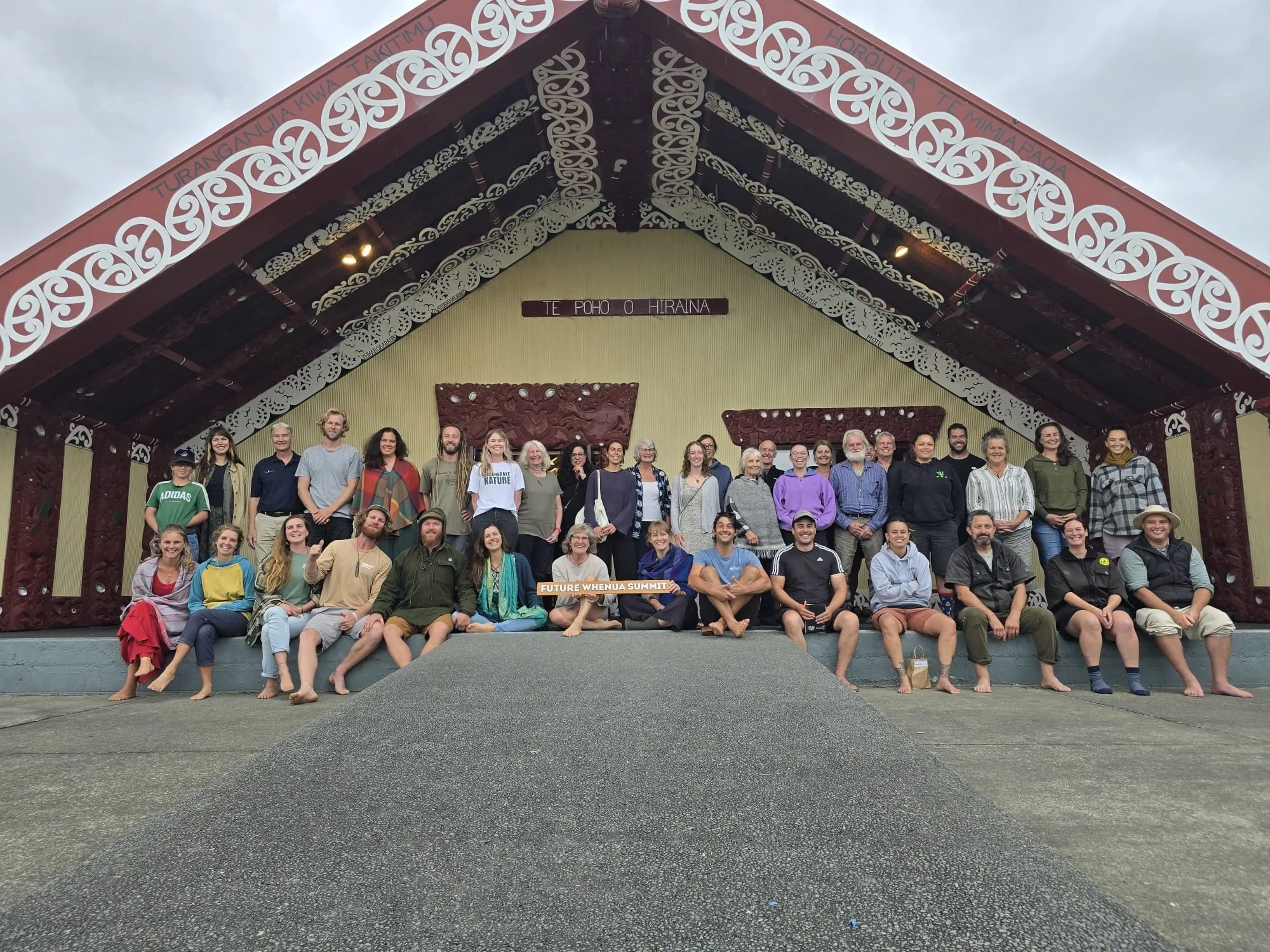
Future Whenua is a living network dedicated to transforming Aotearoa New Zealand's rural sector through regenerative land management, ecological innovation, and deep connection between people and place. After five years of operation, the organization had grown in scope and activity and was ready to strengthen its focus. The team sought greater clarity around who they are, what they stand for, and where to direct their energy as they continue to grow. I was invited to support them in shaping that direction.
-
I joined Future Whenua as a strategic advisor and facilitator, working closely with the team to distill five years of work and vision into a clear and coherent sense of purpose. I also serve on the board of Future Whenua, reflecting my ongoing commitment to the organization and the transformative work it is doing across Aotearoa New Zealand's primary industries.
-
The process involved deep listening, facilitated conversations, and strategic analysis. We explored who Future Whenua is, what it does, and where it should focus to move forward with clarity and confidence. From this foundation, a colleague and I developed a strategic document and a set of tangible tools to help the organization execute its priorities and communicate its purpose effectively to its network, partners, and funders.
-
Future Whenua emerged from this process with a renewed clarity of identity and a practical foundation for future growth. The strategic document and supporting tools provided the organization with the resources it needed to align its team, articulate its value to funders, and step into its next phase with confidence, clarity, and a strong sense of purpose.
Project Stewardship
Glendhu Station Compost Hub
Establishment of a Commercially Oriented Composting Operation
-
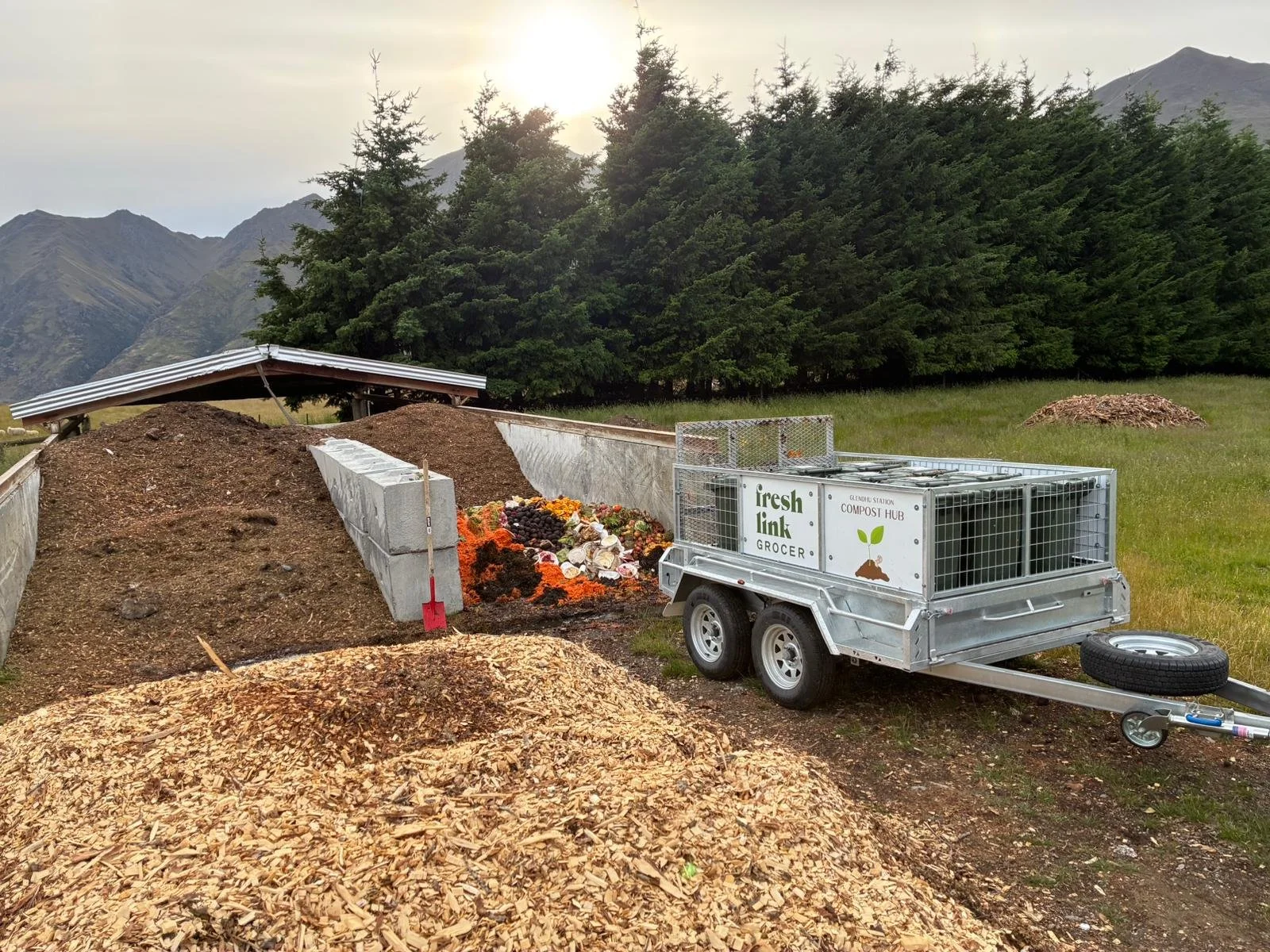
In Wānaka, organic waste from local businesses was being sent to landfill, despite its potential to be returned to the land in a more constructive way. The infrastructure required to capture, process, and reintegrate this material as a resource was not yet in place. This project was developed to establish that infrastructure and to demonstrate what a circular approach to organic waste could look like at a regional scale.
Working in collaboration with Freshlink Grocer, Glendhu Station, and the Queenstown Lakes District Council, and with support from the Ministry for the Environment’s Waste Minimisation Fund, the Glendhu Station Compost Hub was established as a commercial composting operation. The project contributes to strengthening the circular economy of the region by reconnecting organic waste streams with productive land use.
-
I joined this project following its initial establishment and led the research, development, and delivery phases over a two-year period. My role spanned research, strategy development, stakeholder engagement, and hands-on project leadership. I worked closely with local businesses, community partners, and regional stakeholders to build alignment and coordinate effort across a multi-party collaboration, guiding the project toward clear and actionable outcomes.
-
The work involved collecting and analyzing waste flow data from local businesses, alongside researching and documenting composting processes and best practices at a commercial scale. I identified the key barriers to achieving long-term financial viability and explored a range of composting and worm farming methods, including approaches to food segregation, decomposition, and material recovery.
Building on this foundation, I developed a commercialization strategy, a roadmap for scaling the hub across Wānaka, and a proposed entity structure designed to support long-term financial sustainability.
Compost Report -
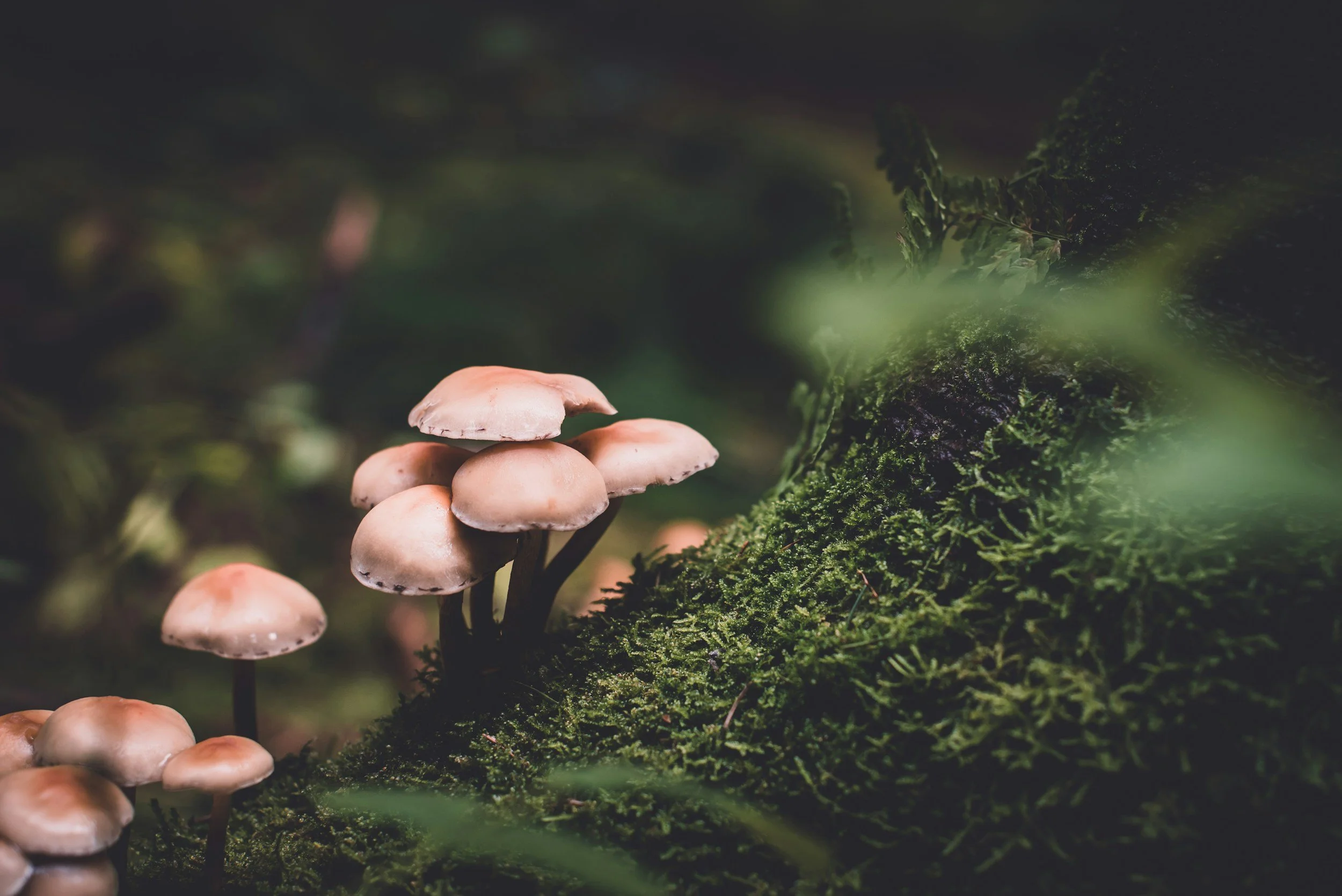
The hub currently diverts approximately thirty tonnes of food waste from landfill each year and transforms it into nutrient-rich compost for agricultural and community use. The project delivered comprehensive process documentation, a recommended pathway for scaling, and an entity structure to support ongoing operation and potential growth.
It stands as a practical example of place-based, collaborative systems work, demonstrating how organic waste can be reintegrated as a resource, how community capacity can be strengthened, and how regional systems can evolve toward greater resilience and regeneration.
Strategic Guidance & Advisory
WAO Wānaka
Assessing the Foundations for a Resilient Local Food System
-
WAO is a collective movement for climate action, systems change, and regeneration, working to accelerate transformative change by bringing together people, groups, and organisations around shared goals. As part of a Queenstown Lakes District Council funded initiative, WAO undertook a Food Resilience Phase 2 project to better understand what food resilience looks like for the district and what infrastructure, structures, and systems would be needed to support it. The project brought together community organizations, agencies, and stakeholders to collectively assess the region's food resilience landscape and identify a path forward.
-
I was brought in to provide research support, strategic advice, and project facilitation across the duration of the project. I worked alongside WAO to help design and run a food resilience workshop, advise on food resilience structures and models, manage a collaborative research process involving multiple agencies, and contribute to the final report.
-
The project involved researching food resilience frameworks and structures relevant to the district, facilitating stakeholder engagement through a community workshop, and coordinating research across multiple organizations working in the food resilience space. That research was synthesized into a feasibility analysis that mapped the landscape, identified gaps, and assessed what models and approaches were most viable for the Queenstown Lakes District context.
-
The project concluded with six proposed projects to strengthen food resilience across the district, alongside clear recommendations for next steps. The final report provided the Queenstown Lakes District Council and WAO with a practical foundation for moving forward, grounded in community input, collaborative research, and a clear understanding of what the region needs to build genuine food resilience over the long term.